A change is unfolding beneath North Europe’s logistics challenges
Blogs
After a period of stability, I have seen Europe’s logistics sector enter a new phase of rapid evolution. It can be easy to overlook that shift when global economic forecasts remain subdued and port congestion continues to shape headlines.
But if you look closely at North Europe’s supply chains, there are good reasons to see the glass as being half full. For one, the potential of technology-powered logistics is huge. At major logistics hubs like London Gateway Port, for example, new tools are being rolled out, while multimodal ecosystems are gaining real traction elsewhere – helping to cut emissions and improve sustainability, while easing pressure on congested roads. On their own, these changes might look modest. Together, they show a system that has learned from disruption and adapted early, rather than waiting for the next supply chain shock.
Resilience built to flex
The next phase of European logistics will belong to operators that can adjust quickly when conditions change – built to flex, not to break. For North Europe, that means designing operations that respond in real time, using data and technology to anticipate pressure rather than simply absorb it.
Across the region, our terminals already operate as part of a single, digitally connected network. We plan movements across road, rail and port using data-driven tools that give us a forward view of demand. We’re also automating more processes so equipment and teams can adapt as volumes shift. It is an intelligent way to run a supply chain – one that keeps goods moving even when the environment is unpredictable.
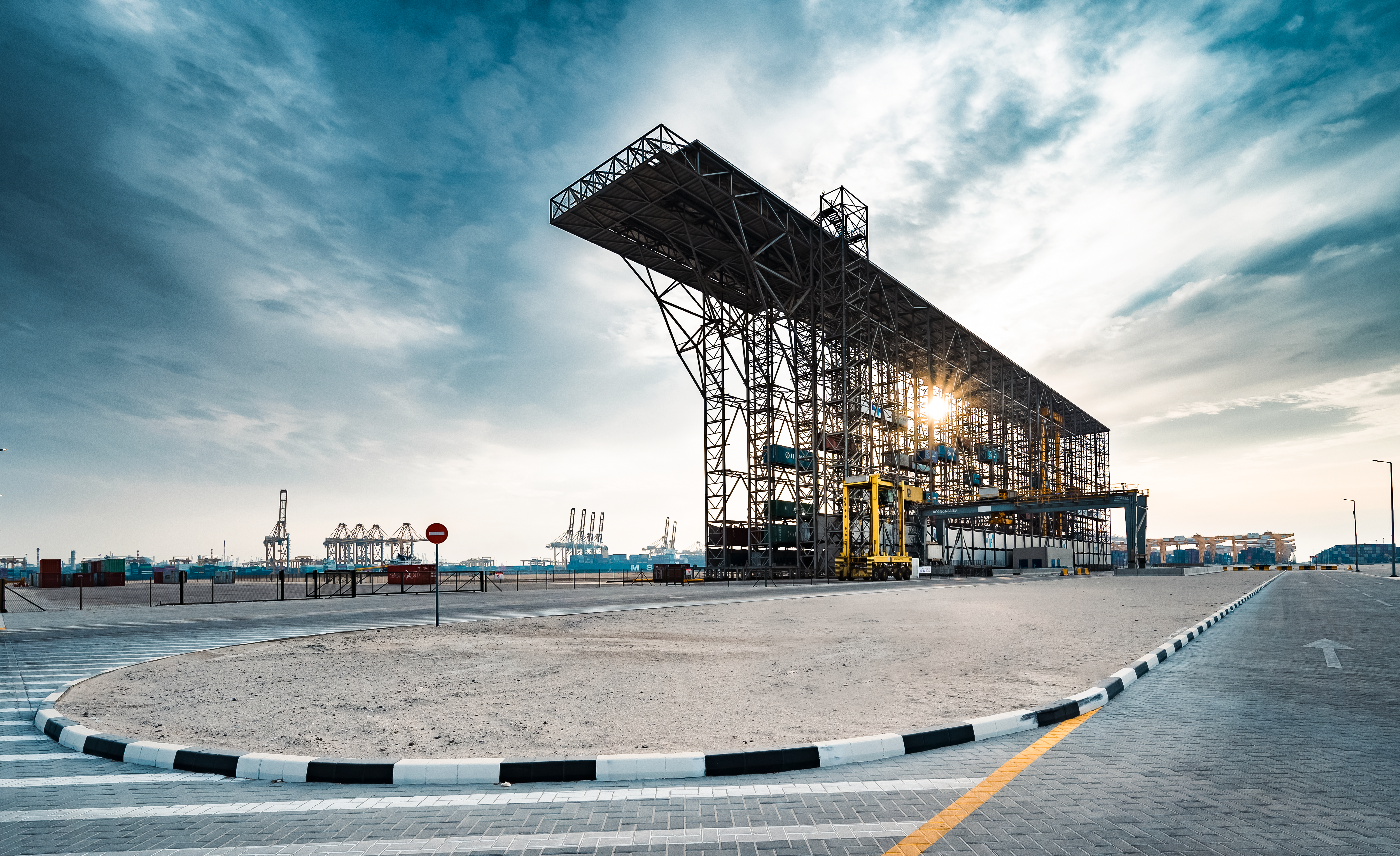
We see this clearly at London Gateway, where BOXBAY will come to life. BOXBAY is our high-density handling system that gives direct access to every container in the stack. Think of it as a 16-storey vending machine for containers. It cuts emissions by over 60% and dramatically improves handling speed. It is one of the clearest examples of what ‘built to flex’ looks like in practice.
Our focus on modal shift in the UK tells a similar story. Through the Modal Shift Programme, we’re encouraging cargo owners to move more goods by rail instead of road. So far, it has taken more than 8 million HGV miles off the roads, with many more containers expected to move by rail by next year. That is resilience in action: lower emissions, less congestion, and more options for our customers to build-in resilience before disruption hits.
Beyond these headline projects, we’re seeing quieter but important gains across the network. In Bicester, semi-autonomous picking systems help us manage spikes in demand with accuracy and speed, while in Antwerp, automated stacking cranes are helping to increase container capacity. Each improvement may seem small in isolation. Across the network, they change what’s possible.
Together, these investments point in one direction: a logistics system catered to our customers’ needs – more flexible, more connected, and far better prepared for whatever comes next.
What resilience looks like today - and what's next
Resilience today is not about size or brute capacity. It is about how well you can adapt, shift modes, or reroute when needed. That’s the mindset we’re taking into the next phase of European logistics.
This next phase will not be defined by how we recover from shocks, but by how well we prepare for what is next. That means investing in infrastructure and digital tools. It means designing flexibility into every part of the network. And it means working closely with our customers to solve their problems before they happen.
In North Europe, we’re not just weathering change – we are building for it. The DNA of the system is shifting. And that’s good news for our customers, partners and economies that rely on trade growth.
RELATED CONTENT